House hacking means buying a small multifamily property, living in one unit, and renting the others. In metro Atlanta, an eligible buyer may be able to use owner-occupied financing rather than the larger down payment commonly required for an investment-only loan. This approach can reduce the initial cash requirement, but it does not eliminate ownership […]
Georgia Foreclosures Are Up 52% in 2026: Where Atlanta Investors Actually Find the Discounts
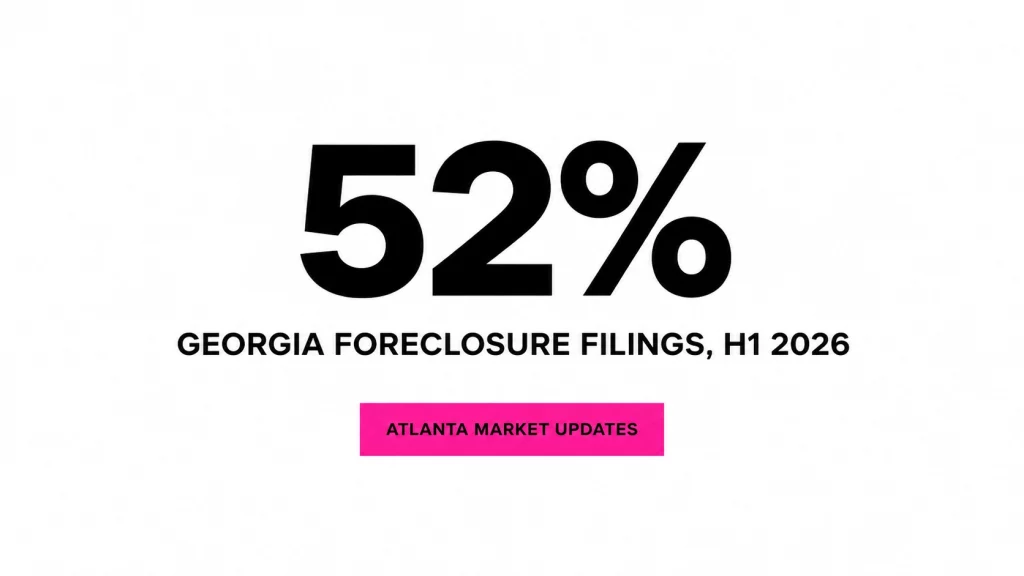
Market data current as of October 18, 2026. What the foreclosure increase means ATTOM recorded 227,548 U.S. properties with foreclosure filings in the first half of 2026, up 21 percent year over year. Georgia recorded 8,433 filings, up 52 percent. Among states with at least 500 filings, Georgia had the third-largest annual increase, behind Idaho […]
Cherokee County Real Estate 2026: Why Woodstock and Holly Springs Deserve a Second Look from Atlanta Investors
Market data current as of October 17, 2026. Cherokee County is a balanced market by current inventory measures, with approximately 3.7 to 4.5 months of supply. The county median sale price is estimated at $465,000 to $500,000, and sellers are receiving approximately 96 to 97 percent of asking price. These conditions provide more room for […]
Gwinnett County Real Estate 2026: Why Rising Rents and Flat Prices Are Changing the Math for Atlanta Investors
Market data current as of October 16, 2026. Gwinnett County presents a changed calculation for residential investors. Rents have increased sharply, sale prices are flat to slightly lower, and active listings have grown. These conditions may improve acquisition opportunities, but they do not guarantee positive cash flow. Financing, taxes, insurance, repairs and achievable rent remain […]
Georgia Landlord-Tenant Law for Atlanta Investors in 2026: Habitability, Deposits, and the Three-Day Notice
Current as of October 15, 2026. This overview focuses on Georgia residential rentals. Commercial leases are governed by different rules. Georgia’s Safe at Home Act established several requirements for covered residential leases. It added an express habitability covenant, capped security deposits, and set a three-business-day notice period for specified nonpayment cases. For Atlanta-area investors, the […]
Wholesale Real Estate 101: How Assignment Deals Actually Work Under Georgia Law in 2026
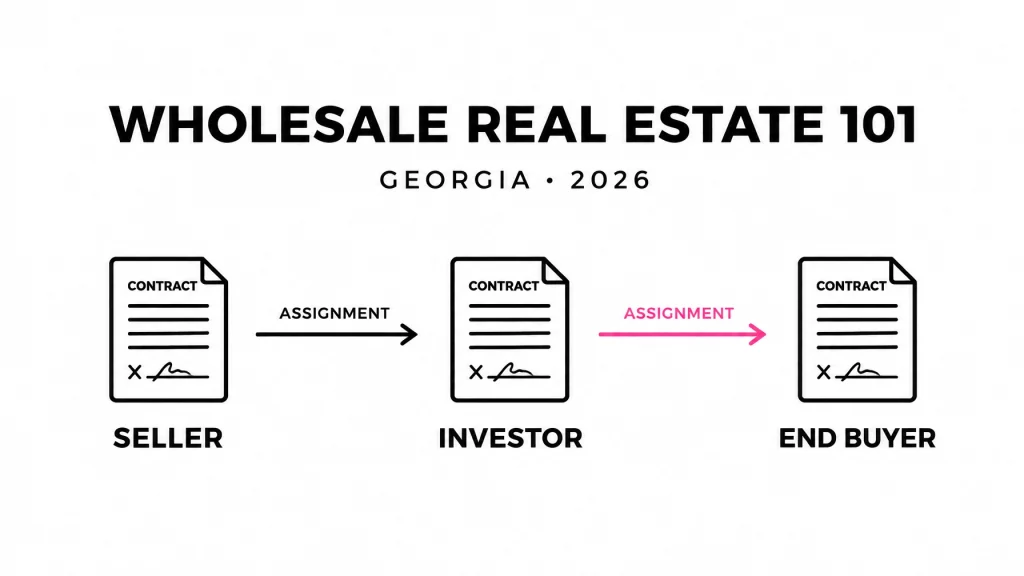
Wholesale real estate involves contracting to buy a property and then either assigning the purchase contract to another buyer or completing two separate closings. The wholesaler generally seeks compensation for the contract position, not for acting as the seller’s real estate agent. The legal details matter. Georgia has no separate “wholesaler license,” but that does […]
Self-Manage or Hire a Property Manager in Atlanta? The 2026 Break-Even Math for Georgia Landlords
For an Atlanta rental owner, hiring a property manager is a cost decision, a time decision, and a compliance decision. The monthly fee is only part of the calculation. Leasing charges, renewal fees, maintenance markups, time spent managing the property, and the cost of delayed service should also be included. The figures below use a […]
Q4 2026 Atlanta Rental Market Outlook: Rent Growth, Vacancy, and What Changes for Investors Heading Into 2027
Atlanta’s rental market is moving toward stabilization after a major apartment delivery cycle. Vacancy declined during Q2, absorption exceeded new supply, and the construction pipeline contracted. These shifts support a more constructive 2027 outlook, but do not remove property-level risks. Resale inventory remains elevated, apartment lease-ups continue to compete for tenants, and operating expenses require […]
Forsyth County Real Estate in 2026: Do Cumming and South Forsyth Still Cash-Flow for Atlanta Rental Investors?
Forsyth County offers strong household incomes, highly ranked public schools, low published county and school millage rates, and long-term housing demand. Those factors support property values. They do not automatically produce positive rental cash flow. For 2026 investors, Cumming and the South Forsyth corridor are primarily appreciation and long-hold markets. Rental returns depend on purchase […]
The BRRRR Method in Atlanta 2026: Where the Refinance Math Still Works (and Where It Breaks)
BRRRR means Buy, Rehab, Rent, Refinance, Repeat. The strategy uses a renovation to increase a property’s value, then uses a refinance to recover some of the invested capital. In metro Atlanta in 2026, the method still works. The margin for error is narrower, and the refinance is often the make-or-break step. The relevant market trends […]